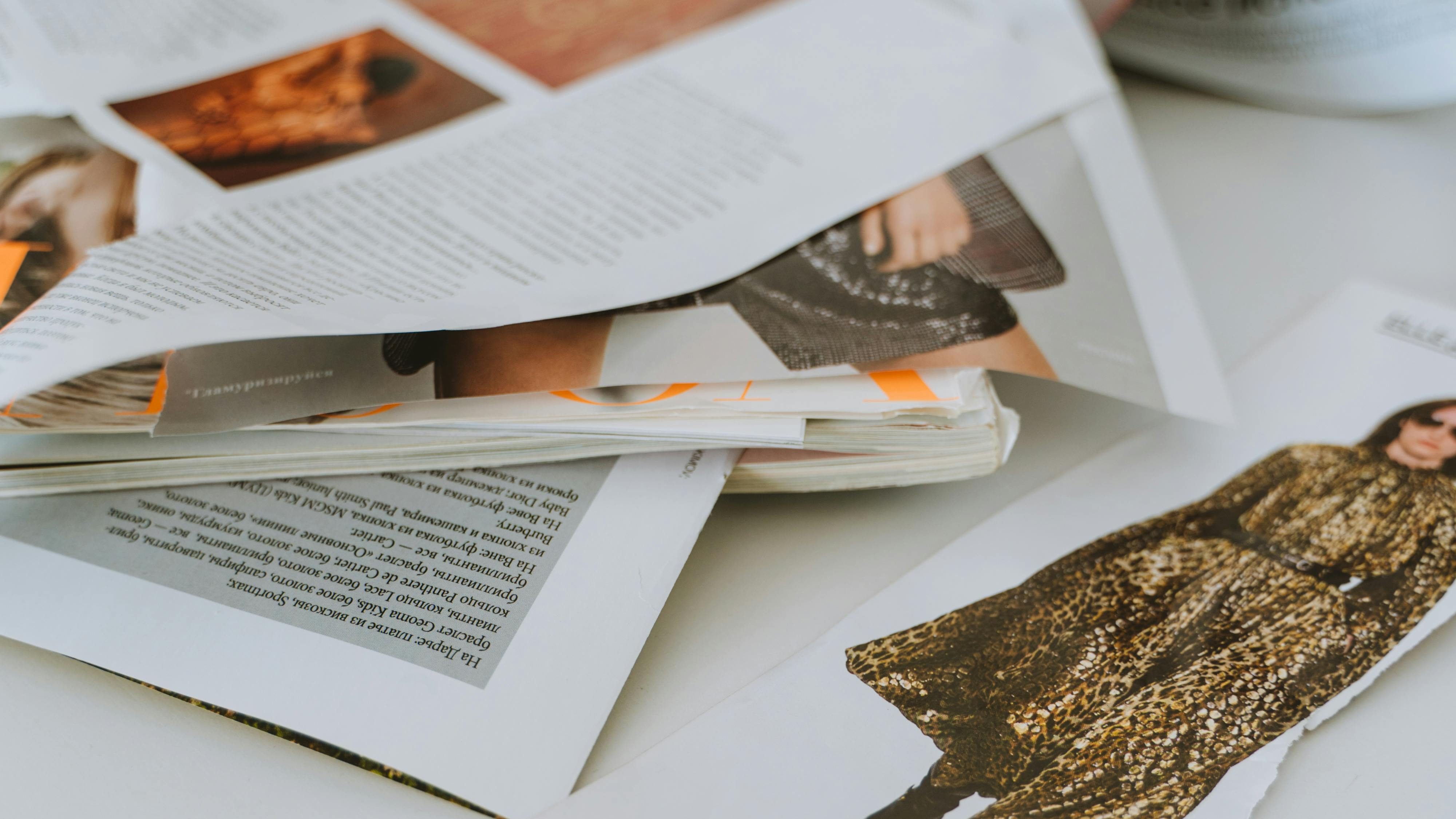
From Launch to Legacy: How PR Shapes Every Stage of a Fashion Brand’s Growth

In fashion, success is never static; even the most iconic brands are constantly evolving to remain relevant. From debuting the collection to becoming a household name, the journey of a fashion brand mirrors a lifecycle familiar to anyone in business: Introduction, Growth, Maturity, Decline, and, eventually, Obsolescence.

While creative vision and product innovation fuel the artistic side of fashion, a strong public relations (PR) strategy is what ensures a brand not only enters the market with impact but sustains momentum over time. Strategic PR doesn’t just complement the design process—it drives perception, demand, and longevity; it’s the through-line from launch to legacy that consistently keeps a fashion brand in the minds and on the feeds of consumers.

Each phase of a fashion brand’s lifecycle demands its own approach to building awareness, shaping perception, and influencing consumer behavior.

We’re breaking down how PR can evolve with a business, ensuring that the public sees, believes in, and ultimately buys into the fashion brand.

Stage 1: The Launch — Building Buzz and Awareness

Objective: Establish a strong brand presence in the market.

For early-stage fashion brands, PR is all about planting seeds. This is the make-or-break moment when the right storytelling can generate enough curiosity to attract those all-important first customers, media hits, and stockists.

Key PR Activities:

  • Crafting a compelling brand story that differentiates the label from others in a saturated market.
  • Securing early press mentions in trade publications, fashion blogs, and niche outlets covering launches and emerging talent.
  • Partnering with micro-influencers and tastemakers who resonate with the brand’s aesthetic and values using affiliate marketing to incentivize mutually beneficial collaborations.
  • Hosting a launch event or campaign to create a splash and generate newsworthy events for a young, new brand, whether through a pop-up, intimate press preview, or virtual showcase.

Outcome: Brand awareness begins to build, the media starts paying attention, and the first wave of consumers is introduced to the brand.

Stage 2: Growth — Solidifying Brand Identity and Expanding Reach

Objective: Transition from a “new” brand to one with a recognizable identity and loyal customers.

Once a brand is on the radar, the focus shifts to reinforcing what it stands for and establishing industry authority. This is where PR helps shape how the brand is perceived and ensures it remains top-of-mind as competition intensifies.

Key PR Activities:

  • Refining media relations to include features in major publications like Vogue, Elle, and Harper’s Bazaar.
  • Expanding influencer collaborations to include mid-tier and macro-influencers aligned with the brand.
  • Launching partnerships and capsule collections that build credibility and expand reach.
  • Generating consistent press coverage through interviews, editorials, and event activations.

Outcome: At this stage, a fashion brand begins to take on a stronger identity in the marketplace, with press and consumers associating it with distinct values, aesthetics, and a growing presence.

Stage 3: Scaling — Becoming a Market Leader

Objective: Shift from a growing brand to an industry leader.

This is when a fashion brand has traction. Now the goal is to scale impact while navigating the increased scrutiny that comes with success. Strategic PR ensures growth is matched with polish, authority, and authenticity.

Key PR Activities:

  • Cultivating deep relationships with top-tier editors to secure long-lead features, cover stories, and fashion week spotlights.
  • Launching large-scale campaigns around seasonal drops or high-profile collaborations.
  • Managing potential crises with well-thought-out reputation strategies.
  • Positioning brand executives or designers as thought leaders through op-eds, podcast interviews, and industry panels.

Outcome: The brand becomes known not just for its products, but for its cultural relevance. Not only does the brand earn a spot among the top players, but it also becomes a part of the broader fashion conversation.

Stage 4: Legacy — Sustaining a Timeless Brand Presence

Objective: Ensure longevity through cultural relevance and commitment to core values.

Legacy isn’t just about time; it’s about building an enduring reputation and making a lasting impact. At this stage, PR helps the brand stay relevant while honoring the values and vision that brought it here.

Key PR Activities:

  • Increasing brand reach by executing global PR campaigns to support international growth and align messaging across regions.
  • Celebrating brand milestones (major anniversaries, runway retrospectives, museum exhibitions) with PR activations that reinforce the brand’s journey.
  • Maintaining a consistent tone of voice across all channels, including earned media, social platforms, and internal communications.

Outcome: The brand becomes more than a label—it becomes a legacy. It earns cultural capital, consumer trust, and long-term brand equity.

PR Is the Common Thread

From the moment a fashion brand introduces itself to the world to the decades it spends influencing trends and culture, public relations plays a critical role at every step. While design captures attention, it’s PR that ensures the world keeps watching.

The brands that succeed long-term are those that treat PR as a non-negotiable—a strategic partner in shaping their narrative, connecting with their audience, and evolving with purpose. As fashion continues to move faster and consumer expectations shift, a great PR strategy is more than a support system—it’s the very foundation on which enduring brands are built.

For brands seeking not just visibility, but legacy, PR isn’t just part of the plan. It is the plan.

PSA: Your Competitors are Still Investing in PR & Marketing

Now is Not the Time to Pull Back on Strategy

It’s no surprise that when the economy takes a hit, businesses tighten their belts—and all too often, PR and marketing budgets are the first to go. While cutting these costs might seem like a quick fix for fashion brands looking to save money, it’s a short-sighted move that can weaken brand awareness, shrink market share, and stall the long-term growth that separates long-lasting fashion brands from the rest.

Why PR & Marketing Are Often the First to Go

Before diving into why slashing PR and marketing budgets is a mistake, it’s important to acknowledge why these cuts happen in the first place:

  • Perceived as Non-Essential – When businesses are looking to trim expenses, public relations and marketing are often seen as dispensable rather than critical to survival.
  • Difficulty in Measuring ROI – Unlike direct sales or operational costs, the impact of PR and marketing initiatives can take time to materialize, making them harder to justify during economic strain.
  • Focus on Short-Term Survival – Many companies prioritize immediate financial stability over long-term brand investment, viewing marketing as a luxury rather than a necessity.
  • Lack of Immediate Visibility – The effects of marketing campaigns build over time, so their absence isn’t immediately felt—until it’s too late.

The reasoning seems logical at first glance— public relations and marketing don’t always have the same immediate, tangible impact as operational costs, and their return on investment (ROI) isn’t instantly measurable. However, cutting back on these efforts is a short-sighted move that can severely hinder long-term growth and brand resilience, particularly for newer and independently-owned brands already fighting against major fashion labels.

The Cost of Cutting PR & Marketing

The long-term consequences of pulling back on marketing and public relations investments far outweigh the short-term savings and as always, the proof lies in the data:

  • Loss of Brand Awareness – Consistency is key in marketing. When brands go silent, they become forgettable (even to the most loyal customers), giving competitors the opportunity to dominate the conversation and capture market share.
  • Difficulty in Rebuilding Momentum – Once marketing efforts are halted, it takes time and significantly more investment to regain lost ground and rebuild consumer trust. Remember: it can cost 5 to 25 times more to acquire (or reacquire) a new customer in comparison to retargeting an existing, engaged customer.
  • Long-Term Revenue Impact – A study by Harvard Business Review found that 80% of companies that cut marketing costs during a recession had not regained pre-recession sales and profits even three years after the downturn. Brands that cut fastest and deepest had the lowest probability (21%) of surpassing competitors when the economy improved.
  • Competitive Disadvantage – Your competitors are still marketing. A survey by Harris Interactive/Yankelovich found that 86% of consumers remember brands that continue advertising during downturns and feel more positively about their commitment to their products and services.

A Smarter Approach: Optimize, Don’t Eliminate

Instead of pulling back entirely, economically uncertain times are when fashion brands need to pivot their strategy to ensure their public relations and marketing spends are as effective as possible. Here’s how:

  • Refine Messaging – Adapt public relations and marketing efforts to reflect current economic conditions. Avoid aggressive sales tactics and instead focus on value-driven messaging that resonates with consumer needs.
  • Emphasize High-ROI Strategies – Investing in conversion-driven digital marketing strategies, high-conversion email campaigns, and commission-incentivized influencer partnerships that deliver measurable returns will allow brands to see a more direct, ROI from their digital marketing strategies to support brand cashflow while also creating buzz through digital campaigns.
  • Take a Metrics-Driven Approach – By prioritizing metrics-driven campaigns in both public relations and digital marketing, and being mindful of what is and isn’t providing a meaningful ROI (whether that is measure in sales, clicks, traffic, or other metrics depending on the campaign), brands can more thoughtfully determine what is and isn’t worth continuing to invest in when it’s time to make difficult decisions and scale back.
  • Leverage Cost-Effective Tactics – Organic social media, affiliate marketing, and targeted content strategies can maintain visibility without significant ad spend. Also, by working with partners that understand how to provide a meaningful ROI on a conservative budget, brands are able to continue growing without overstretching their resources.
  • Prioritize Customer Loyalty – Reward existing customers with exclusive offers, personalized engagement, and loyalty programs to keep them engaged. Your best asset as a brand is the customers that are already loyal to your brand. Engage them thoughtfully and let them help build the brand they love.
  • Focus on Brand Trust – Thoughtful public relations efforts, such as earned media placements and timely storytelling that feels relevant to the moment, reinforce credibility and brand integrity. They also allow brands to more authentically connect with their existing audience and reach out to potential new customers.

The Right PR & Marketing Partner Makes the Difference

Businesses that maintain or increase marketing efforts during economic downturns don’t just survive—they thrive. By continuing to invest in strategic PR and marketing, brands position themselves for long-term growth while competitors that cut back struggle to regain momentum.

At Pink Sheep Publicity, we specialize in crafting recession-resilient strategies that help brands maintain relevance, drive consumer trust, and optimize marketing investment for maximum impact. Tough economic times require smarter strategies.

Let’s future-proof your brand together. Reach out to Pink Sheep Publicity and let’s talk strategy.