From Launch to Legacy: How PR Shapes Every Stage of a Fashion Brand’s Growth

In fashion, success is never static; even the most iconic brands are constantly evolving to remain relevant. From debuting the collection to becoming a household name, the journey of a fashion brand mirrors a lifecycle familiar to anyone in business: Introduction, Growth, Maturity, Decline, and, eventually, Obsolescence.

While creative vision and product innovation fuel the artistic side of fashion, a strong public relations (PR) strategy is what ensures a brand not only enters the market with impact but sustains momentum over time. Strategic PR doesn’t just complement the design process—it drives perception, demand, and longevity; it’s the through-line from launch to legacy that consistently keeps a fashion brand in the minds and on the feeds of consumers.

Each phase of a fashion brand’s lifecycle demands its own approach to building awareness, shaping perception, and influencing consumer behavior.

We’re breaking down how PR can evolve with a business, ensuring that the public sees, believes in, and ultimately buys into the fashion brand.

Stage 1: The Launch — Building Buzz and Awareness

Objective: Establish a strong brand presence in the market.

For early-stage fashion brands, PR is all about planting seeds. This is the make-or-break moment when the right storytelling can generate enough curiosity to attract those all-important first customers, media hits, and stockists.

Key PR Activities:

  • Crafting a compelling brand story that differentiates the label from others in a saturated market.
  • Securing early press mentions in trade publications, fashion blogs, and niche outlets covering launches and emerging talent.
  • Partnering with micro-influencers and tastemakers who resonate with the brand’s aesthetic and values using affiliate marketing to incentivize mutually beneficial collaborations.
  • Hosting a launch event or campaign to create a splash and generate newsworthy events for a young, new brand, whether through a pop-up, intimate press preview, or virtual showcase.

Outcome: Brand awareness begins to build, the media starts paying attention, and the first wave of consumers is introduced to the brand.

Stage 2: Growth — Solidifying Brand Identity and Expanding Reach

Objective: Transition from a “new” brand to one with a recognizable identity and loyal customers.

Once a brand is on the radar, the focus shifts to reinforcing what it stands for and establishing industry authority. This is where PR helps shape how the brand is perceived and ensures it remains top-of-mind as competition intensifies.

Key PR Activities:

  • Refining media relations to include features in major publications like Vogue, Elle, and Harper’s Bazaar.
  • Expanding influencer collaborations to include mid-tier and macro-influencers aligned with the brand.
  • Launching partnerships and capsule collections that build credibility and expand reach.
  • Generating consistent press coverage through interviews, editorials, and event activations.

Outcome: At this stage, a fashion brand begins to take on a stronger identity in the marketplace, with press and consumers associating it with distinct values, aesthetics, and a growing presence.

Stage 3: Scaling — Becoming a Market Leader

Objective: Shift from a growing brand to an industry leader.

This is when a fashion brand has traction. Now the goal is to scale impact while navigating the increased scrutiny that comes with success. Strategic PR ensures growth is matched with polish, authority, and authenticity.

Key PR Activities:

  • Cultivating deep relationships with top-tier editors to secure long-lead features, cover stories, and fashion week spotlights.
  • Launching large-scale campaigns around seasonal drops or high-profile collaborations.
  • Managing potential crises with well-thought-out reputation strategies.
  • Positioning brand executives or designers as thought leaders through op-eds, podcast interviews, and industry panels.

Outcome: The brand becomes known not just for its products, but for its cultural relevance. Not only does the brand earn a spot among the top players, but it also becomes a part of the broader fashion conversation.

Stage 4: Legacy — Sustaining a Timeless Brand Presence

Objective: Ensure longevity through cultural relevance and commitment to core values.

Legacy isn’t just about time; it’s about building an enduring reputation and making a lasting impact. At this stage, PR helps the brand stay relevant while honoring the values and vision that brought it here.

Key PR Activities:

  • Increasing brand reach by executing global PR campaigns to support international growth and align messaging across regions.
  • Celebrating brand milestones (major anniversaries, runway retrospectives, museum exhibitions) with PR activations that reinforce the brand’s journey.
  • Maintaining a consistent tone of voice across all channels, including earned media, social platforms, and internal communications.

Outcome: The brand becomes more than a label—it becomes a legacy. It earns cultural capital, consumer trust, and long-term brand equity.

PR Is the Common Thread

From the moment a fashion brand introduces itself to the world to the decades it spends influencing trends and culture, public relations plays a critical role at every step. While design captures attention, it’s PR that ensures the world keeps watching.

The brands that succeed long-term are those that treat PR as a non-negotiable—a strategic partner in shaping their narrative, connecting with their audience, and evolving with purpose. As fashion continues to move faster and consumer expectations shift, a great PR strategy is more than a support system—it’s the very foundation on which enduring brands are built.

For brands seeking not just visibility, but legacy, PR isn’t just part of the plan. It is the plan.

10 Reasons Every Fashion Brand NEEDS a Great Public Relations Strategy

The reality of the fashion industry is that it’s not enough to have stunning collections or trendsetting designs. Without a plan – preferably a dynamic public relations (PR) strategy – even the most fabulous, innovative fashion labels can fade into obscurity. It’s easy, particularly amidst the uncertainty of the current economy, to underestimate the power of any strategy that isn’t directly sales-driven, but it’s the fashion brands that understand the value of public relations and consistently strategize based on their brand’s goals, that can and will thrive in today’s market and beyond.

1. Visibility in a Crowded Market
The fashion industry is saturated with emerging designers and established powerhouses alike. A strong PR strategy ensures a brand doesn’t just get noticed—it gets remembered. Through media placements, influencer collaborations, and event activations, PR cuts through the noise to spotlight a brand’s uniqueness.

2. Crafting a Compelling Narrative
At its core, when it’s done well, public relations is storytelling. A great PR team crafts a compelling brand story that goes beyond the product and explains not only what the brand does but why it matters. This narrative communicates a brand’s heritage, values, and aspirations—essential elements that create emotional connections with consumers.

3. Building and Maintaining Brand Reputation
Reputation is everything, particularly when it’s easier than ever to set up a drop-shipping site and sell low-quality, low cost product from anywhere at anytime. Actively managing public perception is part of building consumer trust. By being open and honest with consumers, anticipating crises, managing media relations, and ensuring the brand’s messaging is consistent and positive across all channels, fashion brands will be better positioned for success.

4. Media Relationships That Matter
Public relationship agencies have cultivated relationships with editors, journalists, influencers, and tastemakers. The right PR partner will have cultivated relationships within your niche and understand your specific industry and market. These relationships are not only essential for securing valuable media coverage and getting featured in reputable publications, but also amplifying brand messaging through trusted voices in the industry.

5. Launching Collections with Impact
Whether it’s a seasonal collection, a capsule drop, or a designer collaboration, public relations should play a central role in launching products with maximum impact. Through exclusive previews, celebrity seeding campaigns, fashion show support, and coordinated press releases, strong public relations campaigns, when effectively run, create anticipation and drives interest before product even hits the shelf.

6. Supporting Sustainability Messaging
As consumers increasingly demand transparency and accountability (per industry research 73% of consumers are willing to pay more for products that guarantee total transparency), fashion brands must communicate their sustainability efforts authentically and honestly. Public relations professionals can and should help brands articulate their environmental and ethical initiatives in a way that resonates with conscious consumers without veering into greenwashing.

7. Influence Buyer Decisions
The fashion media and culture are of course highly influential in consumer behavior. When a fashion brand has a strong public relations strategy, a brand becomes a part of the cultural narrative, influencing not only brand image but purchasing behavior of target consumers (ie: more sales for the brand). Strategic placements and well-timed features position a brand as aspirational and trend-forward, helping it stay top of mind for buyers and consumers alike.

8. Strengthening Digital Presence
Today’s PR strategies extend far beyond traditional media. Digital campaigns, paid affiliate media, social media integrations, and influencer partnerships all tend to fall under the PR umbrella, particularly for smaller brands with smaller teams. A cohesive digital approach incorporating dynamic public relations and digital marketing strategies ensures brand consistency across all platforms, expanding reach, deepening engagement, and increasing revenue through both D2C and in-store sales.

9. Shaping Industry Dialogues
Great fashion PR doesn’t just follow the conversation—it helps shape it. PR teams position their clients as thought leaders on topics like innovation, sustainability, and inclusivity through op-eds, interviews, and panel participation, contributing to meaningful industry dialogue.

10. Long-Term Brand Equity
Public relations builds lasting brand equity. It nurtures relationships, reinforces positioning, and ensures a brand remains relevant and respected over time. The cumulative effect of strong public relations efforts helps fashion brands leave a lasting legacy and stand out.

Conclusion
Because we live in a world where perception often equals reality, a strong public relations strategy is no longer a luxury for fashion brands—it’s a necessity. From narrative development to reputation management and sustainability storytelling, PR shapes how a brand is seen, understood, talked about, and remembered.

PSA: Your Competitors are Still Investing in PR & Marketing

Now is Not the Time to Pull Back on Strategy

It’s no surprise that when the economy takes a hit, businesses tighten their belts—and all too often, PR and marketing budgets are the first to go. While cutting these costs might seem like a quick fix for fashion brands looking to save money, it’s a short-sighted move that can weaken brand awareness, shrink market share, and stall the long-term growth that separates long-lasting fashion brands from the rest.

Why PR & Marketing Are Often the First to Go

Before diving into why slashing PR and marketing budgets is a mistake, it’s important to acknowledge why these cuts happen in the first place:

  • Perceived as Non-Essential – When businesses are looking to trim expenses, public relations and marketing are often seen as dispensable rather than critical to survival.
  • Difficulty in Measuring ROI – Unlike direct sales or operational costs, the impact of PR and marketing initiatives can take time to materialize, making them harder to justify during economic strain.
  • Focus on Short-Term Survival – Many companies prioritize immediate financial stability over long-term brand investment, viewing marketing as a luxury rather than a necessity.
  • Lack of Immediate Visibility – The effects of marketing campaigns build over time, so their absence isn’t immediately felt—until it’s too late.

The reasoning seems logical at first glance— public relations and marketing don’t always have the same immediate, tangible impact as operational costs, and their return on investment (ROI) isn’t instantly measurable. However, cutting back on these efforts is a short-sighted move that can severely hinder long-term growth and brand resilience, particularly for newer and independently-owned brands already fighting against major fashion labels.

The Cost of Cutting PR & Marketing

The long-term consequences of pulling back on marketing and public relations investments far outweigh the short-term savings and as always, the proof lies in the data:

  • Loss of Brand Awareness – Consistency is key in marketing. When brands go silent, they become forgettable (even to the most loyal customers), giving competitors the opportunity to dominate the conversation and capture market share.
  • Difficulty in Rebuilding Momentum – Once marketing efforts are halted, it takes time and significantly more investment to regain lost ground and rebuild consumer trust. Remember: it can cost 5 to 25 times more to acquire (or reacquire) a new customer in comparison to retargeting an existing, engaged customer.
  • Long-Term Revenue Impact – A study by Harvard Business Review found that 80% of companies that cut marketing costs during a recession had not regained pre-recession sales and profits even three years after the downturn. Brands that cut fastest and deepest had the lowest probability (21%) of surpassing competitors when the economy improved.
  • Competitive Disadvantage – Your competitors are still marketing. A survey by Harris Interactive/Yankelovich found that 86% of consumers remember brands that continue advertising during downturns and feel more positively about their commitment to their products and services.

A Smarter Approach: Optimize, Don’t Eliminate

Instead of pulling back entirely, economically uncertain times are when fashion brands need to pivot their strategy to ensure their public relations and marketing spends are as effective as possible. Here’s how:

  • Refine Messaging – Adapt public relations and marketing efforts to reflect current economic conditions. Avoid aggressive sales tactics and instead focus on value-driven messaging that resonates with consumer needs.
  • Emphasize High-ROI Strategies – Investing in conversion-driven digital marketing strategies, high-conversion email campaigns, and commission-incentivized influencer partnerships that deliver measurable returns will allow brands to see a more direct, ROI from their digital marketing strategies to support brand cashflow while also creating buzz through digital campaigns.
  • Take a Metrics-Driven Approach – By prioritizing metrics-driven campaigns in both public relations and digital marketing, and being mindful of what is and isn’t providing a meaningful ROI (whether that is measure in sales, clicks, traffic, or other metrics depending on the campaign), brands can more thoughtfully determine what is and isn’t worth continuing to invest in when it’s time to make difficult decisions and scale back.
  • Leverage Cost-Effective Tactics – Organic social media, affiliate marketing, and targeted content strategies can maintain visibility without significant ad spend. Also, by working with partners that understand how to provide a meaningful ROI on a conservative budget, brands are able to continue growing without overstretching their resources.
  • Prioritize Customer Loyalty – Reward existing customers with exclusive offers, personalized engagement, and loyalty programs to keep them engaged. Your best asset as a brand is the customers that are already loyal to your brand. Engage them thoughtfully and let them help build the brand they love.
  • Focus on Brand Trust – Thoughtful public relations efforts, such as earned media placements and timely storytelling that feels relevant to the moment, reinforce credibility and brand integrity. They also allow brands to more authentically connect with their existing audience and reach out to potential new customers.

The Right PR & Marketing Partner Makes the Difference

Businesses that maintain or increase marketing efforts during economic downturns don’t just survive—they thrive. By continuing to invest in strategic PR and marketing, brands position themselves for long-term growth while competitors that cut back struggle to regain momentum.

At Pink Sheep Publicity, we specialize in crafting recession-resilient strategies that help brands maintain relevance, drive consumer trust, and optimize marketing investment for maximum impact. Tough economic times require smarter strategies.

Let’s future-proof your brand together. Reach out to Pink Sheep Publicity and let’s talk strategy.

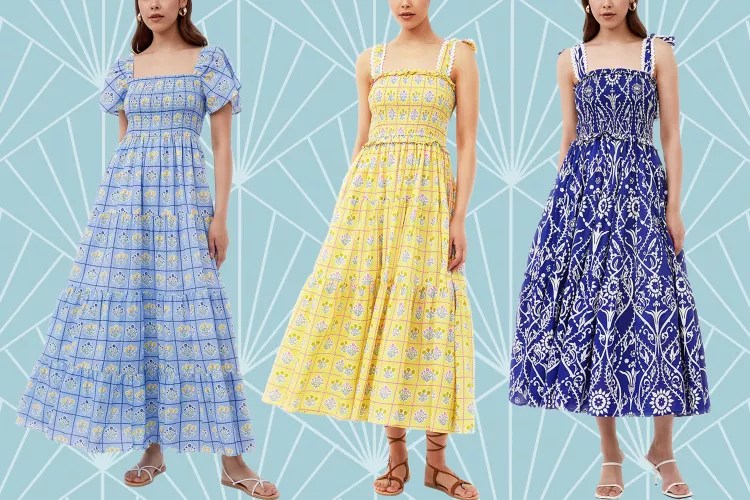
Southern Living’s Editors Are Swooning Over BEYOND by Vera’s Breezy Summer Dresses!

PHOTO: SOUTHERN LIVING / MADISON WOITEN

We’re excited to share that BEYOND by Vera, the ethically manufactured contemporary womenswear brand quickly gaining an international fanbase, was featured by Southern Living!

The Summer 2024 Collection, Dolce Vita, is inspired by the vibrant culture, dramatic gothic architecture, stunning landscapes, and effortless lifestyle for which Italy is known.

Check out the Southern Living editorial team’s favorite BEYOND by Vera pieces here!

Shop the full BEYOND by Vera collection here!

The Art of Fusion: Crafting a Comprehensive Fashion Brand Strategy

It takes more than just a great design to stand out in the uber-competitive, highly saturated fashion industry. The secret of the most successful brands lies in the orchestration of crafting and implementing a comprehensive strategy where public relations, digital marketing, social media marketing, email marketing, influencer marketing, and affiliate marketing converge. Creating a cohesive, competitive strategy that meets and exceeds a brand’s goals and tells a compelling story that resonates with the target audience and differentiates them from the competition is a necessity.

The Power of Cohesion

In a world where consumers are bombarded with a myriad of messages, having a unified strategy is your brand’s secret weapon. A cohesive approach ensures that every touchpoint resonates with your brand’s essence, reinforcing its identity in the minds of your audience. When your public relations efforts align with your social media presence, which is further echoed through email and influencer marketing, you craft a narrative that is consistent, compelling, and unforgettable.

Amplified Reach and Impact

Imagine the impact of a message that echoes across platforms. Public relations placements that are shared on social media, backed by influencer endorsements, and followed up with targeted email campaigns create a ripple effect that reaches far and wide. This multi-channel approach amplifies your brand’s voice, ensuring that it reverberates in the hearts of both loyal customers and potential converts.

Connecting with the Audience

The heart of any strategy is the audience. With social media marketing, you engage in real-time conversations, understanding their preferences and desires. When your email marketing speaks directly to their needs and aspirations, and your influencer collaborations resonate with their values, you’re not just selling products – you’re building relationships.

Influencing Perception

Perception is reality, and in the fashion world, how your brand is perceived shapes its success. A cohesive strategy allows you to control the narrative. When your public relations efforts secure placements in esteemed publications, your influencer collaborations reflect authenticity, and your social media portrays a lifestyle that resonates – you’re shaping how the world sees your brand.

Leveraging the Power of Influencers

Influencers are the modern-day ambassadors of fashion. Their endorsement has the potential to sway opinions and inspire purchases. When your influencer marketing strategy aligns with your brand’s message and values, it adds authenticity to your efforts. And when this authenticity is further supported by strategic PR placements and integrated into your overall digital marketing approach, you create a powerhouse of influence.

Driving Conversions through Affiliate Marketing

Affiliate marketing is the bridge that transforms interest into action. When this strategy syncs with your email campaigns, social media promotions, and influencer collaborations, you’re not just guiding your audience – you’re inspiring them to take the final step. The synergy of strategies ensures that the journey from consideration to conversion is a seamless one.

Optimal Resource Allocation

A comprehensive strategy isn’t just about doing more – it’s about doing smarter. When your public relations efforts are aligned with your influencer marketing, and your email marketing complements your social media calendar, you’re maximizing the impact of your resources. Every effort supports the other, creating a holistic approach that optimizes results.

Staying Ahead of Trends

Fashion is about staying one step ahead. A strategy that integrates different facets of the industry ensures that you’re not just following trends – you’re setting them. By closely monitoring the impact of each strategy and adapting to changing consumer behaviors, you position your brand as an industry innovator.

Measurable Success

A comprehensive strategy isn’t just about creativity; it’s also about results. The beauty of aligning public relations, digital marketing, social media marketing, email marketing, influencer marketing, and affiliate marketing is the ability to measure their impact collectively. You can track engagement, conversions, and brand sentiment across channels, providing insights that guide your future strategies.

Crafting a Lasting Legacy

In a world where trends come and go, a comprehensive strategy is what ensures your brand’s legacy. When your efforts align, you’re not just creating short-term successes – you’re building a brand that’s grounded in authenticity and resonates with generations. You’re crafting a narrative that’s timeless and leaves an indelible mark on the fashion landscape.

In the symphony of fashion, every note matters. By orchestrating a strategy that fuses public relations, digital marketing, social media marketing, email marketing, influencer marketing, and affiliate marketing, you’re creating a crescendo that’s impossible to ignore. Embracing the art of fusion and crafting a comprehensive strategy that elevates your fashion brand to a realm of unparalleled success is the way to build your brand consistently over time.

The Power of PR Showrooms for Fashion Brands

In the dynamic, ultra-competitive fashion industry, visibility is paramount to setting your brand apart. A fashion brand’s success isn’t solely reliant on the quality of its designs; it’s also about how effectively those designs are showcased to the world. This is where PR showrooms step into the spotlight. In this blog post, we’ll delve deep into the significance of having your fashion brand in a PR showroom and how it can be the transformative catalyst that propels your brand to new heights.

The Gateway to Media Exposure

At the core of PR showrooms lies a singular principle: amplifying your brand’s exposure. These showrooms are bridges that connect your fashion creations with influential journalists, editors, stylists, and celebrities. It’s the place where media professionals scout for the next big thing and having your designs on display can catapult your brand into their radar. In an industry where being seen can translate to being celebrated, a PR showroom becomes your brand’s ticket to coveted media coverage.

Curation that Speaks Volumes

Picture a space adorned with carefully curated racks, each showcasing your brand’s unique creations. PR showrooms are more than just physical spaces; they are curated galleries that narrate your brand’s story. The way your designs are presented in these showrooms communicates your brand’s aesthetics, values, and craftsmanship. This curation creates an impression that resonates with the discerning eyes of media influencers, making it more likely for them to feature your designs in their platforms.

The Celebrity Connection

Celebrities are the fashion industry’s torchbearers. What they wear has the power to shape trends and influence consumer preferences. Having your designs in a PR showroom opens the possibility of your creations catching the attention of stylists working with top tier talent. The result? Your designs gracing red carpets, movie premieres, and high-profile events, creating a wave of brand visibility that’s hard to replicate through conventional marketing efforts.

Direct Access to Industry Insiders

PR showrooms aren’t merely spaces for displaying your designs; they are hubs of networking opportunities. Fashion is a relationship-driven industry, and PR showrooms provide direct access to influential industry insiders. From editors who curate fashion spreads to stylists who transform celebrities, these interactions pave the way for collaborations that can significantly elevate your brand’s presence.

Validation and Credibility

Media coverage gained through PR showrooms carries a sense of validation and credibility that can’t be understated. When esteemed publications and respected journalists feature your designs, it’s an affirmation of your brand’s relevance and quality. This validation trickles down to your consumer base, giving them confidence in choosing your brand over others.

Staying Ahead of Trends

The fashion landscape is in a constant state of flux, with trends emerging and evolving at lightning speed. PR showrooms offer a unique advantage by providing insights into what’s trending in the industry. When media professionals express interest in specific designs, it’s a window into the direction fashion is taking. This insight can guide your future collections and strategic decisions, keeping your brand in tune with consumer demands.

Maximizing Trade Show Impact

Trade shows are crucial platforms for introducing your brand to retailers and industry insiders. Having your fashion brand already established in a PR showroom before a trade show can significantly amplify your impact. Retailers and potential buyers are more likely to take notice of a brand that’s garnered media attention and has a strong presence in influential circles.

Crafting Memorable Experiences

PR showrooms offer a tactile and immersive experience that goes beyond digital interactions. Media professionals and influencers get to touch, feel, and experience your designs up close. This tangible experience leaves a lasting impression that resonates when they create content or make recommendations. It’s the kind of personal touch that can’t be replicated through online platforms alone.

In the multifaceted world of fashion, a PR showroom is not just a physical space; it’s a conduit for your brand’s journey to prominence. It’s where your designs intersect with media exposure, celebrity endorsements, industry connections, and consumer validation. The importance of having your fashion brand in a PR showroom cannot be overstated. It’s a strategic investment that has the potential to shape your brand’s trajectory and position it at the forefront of the fashion landscape. So, consider this not just a space to display your designs, but a gateway to the limitless possibilities that await your brand’s ascension.

Looking for a PR Showroom in Los Angeles? To have your brand considered for inclusion in our PR showroom, we invite you contact us here.

10 Tips to Improve Your Holiday Gift Guide Pitch

Whether you’re running behind on getting your gift guide pitches sent out or not yet seeing the return you were hoping for, there’s no need to panic just yet. Many online publications have yet to finalize all of their gift guides, which means you still have time to make the most of the holiday season for your brand. We’ve compiled a list of 10 tips that you can use to level up your Holiday Gift Guide pitches based on our firsthand experience pitching and securing placements for our clients in publications like Forbes, Wall Street Journal, Cosmopolitan, Vogue, Glamour, and WhoWhatWear.

1. DO YOUR RESEARCH & BUILD A MEDIA LIST

Journalists are busy and typically specialize in a handful of niches. Take the time to research recent stories published by the journalist you’re wanting to pitch to ensure that your product is a fit for them. Build out a targeted media list of journalists who would realistically cover your brand to increase the likelihood of your pitches landing and leading to secured placements.

2. DETERMINE YOUR PRODUCTS’ GIFTABILITY

Real Talk: You love ALL of your products and think every single one is a masterpiece, but now is the time to be discerning and edit down which pieces are your best and brightest. Don’t send media a general link to your website and make them do all the work. Instead, look at your products objectively, like an editor would, and determine which pieces make the most sense for your pitch.

3. MAKE YOUR PITCH EASY TO USE

Take the guesswork out of your pitch by offering everything about the product your pitching that the journalist may need should they choose to include your brand in their gift guide or roundup. What exactly should you include?

  • Product Name
  • MSRP
  • Link To Purchase on your Website
  • Stockists that currently carry your product (other than your website)
  • Brief Product Description
  • Link to hi-res JPEGs media can use in their story should they so choose

4. CONSIDER YOUR PRODUCT AVAILABILITY

Every brand dreams of being in Vogue, but take a step back and ask if that’s a feasible goal for you at this stage in the game. If you don’t have the inventory or infrastructure to support the sales that could result from a major national placement. Is your product only available through a brick and mortar location in Iowa? Do you only have a handful of units left of the style you’re pitching and no time to get additional inventory manufactured and ready to ship in time for customers to receive by the holidays? If so, Vogue probably isn’t the right publication for you to pitch this season.

Adjust your pithes according to what you feasibly can deliver and particularly if you have a brick and mortar location, make sure to include local and regional media in your pitch list, to let local customers know you’re nearby for holiday shopping.

5. BUDGET FOR PRODUCT SAMPLES

For fashion and beauty brands (particularly newer brands), sending out samples so that journalists can see and try your products out before covering is standard practice. Beauty samples and lower-priced fashion items are almost never returned and depending on the outlet, higher priced items may or may not be returned. If you want an item to be returned by a journalist, make sure to specify that upfront so that the journalist knows your expectations. When building out your media list, make sure to consider how many pieces you can realistically afford to send out for review and the costs associated with shipping.

Pro Tip: Make sure to include a return shipping label with the samples sent or email a return shipping label to the journalist when you provide tracking information for the package you’re sending so that they can easily return your samples.

6. CREATE A COMPELLING SUBJECT LINE

Yours is not the only gift guide pitch journalists will be getting this season. It’s important to differentiate your pitch strategically with a meaningful subject line while also making it easier for journalists to search for your pitch in their over-extended inbox. (We promise it’s not as complicated as it sounds!) Make sure to include “Gift Guide”, your brand name, and a brief explanation of who the target demographic of your brand.

7. OFFER AFFILIATE LINKS

Online sites, including major media sites, rely on revenue. Providing affiliate links, through Amazon or one of the handful of other affiliate programs that major publishers use, can improve the likelihood of your product being considered for inclusion. Make sure to include the necessary information [links, merchant ID] for media to easily use available affiliate links in your initial pitch.

8. JUST SEND IT

When you’re writing a pitch, it can be easy to get stuck in a loop of feeling like it isn’t quite ready yet. While proof reading and editing are important, don’t get so hung up on creating the “perfect pitch” that you miss your window of opportunity. Put in the work, do your research, edit as necessary and then HIT SEND. If you don’t send your pitch out, the answer is already no. So just do it!

9. FOLLOW UP

It would be wonderful if one pitch email sent one time to one journalist led to the perfect media placement, but that’s just not realistic. Journalists are working on multiple stories at one time and receiving hundreds of pitches from hundreds of brands wanting to be featured. If you don’t hear back in a week or two, kindly follow up your original email and offer any new developments that may make your pitch more attractive. Has a celebrity currently worn the piece you’re pitching? Did a new stockist pick up your brand? Did you set up an affiliate program since your initial pitch? These are the kind of updates to include in your follow up email.

10. MIND YOUR MANNERS

Sending a pitch isn’t the end of the story. Pitching is a collaborative process that works best when all involved parties are actively involved. If a journalist includes you in a gift guide pitch, make sure to send a quick ‘thank you’ and let them know that you appreciate the mention and will share the article across your social platforms. If a journalist passes on including you in a placement, thanking them for their time and consideration will demonstrate that you are a valuable collaborator who respects their time.

Getting your products featured in a Holiday Gift Guide is an incredible opportunity to have your brand in front of the eyes of potential consumers and verified by media those consumers already trust. Remember, though, PR is a marathon and not a sprint. Boosting your brand’s exposure consistently at the holidays and throughout the year is integral to building consumer trust and longterm success.

Want to start 2023 on the right foot? Learn more about how we can help your brand level up your PR & Digital Marketing strategy in the new year, by scheduling a complimentary intro call with our team here.

How to Build a Press Kit and If you Really Need One.

EPK, media kit, and press package are a few of the names by which the press kit goes.

Do you need one? Absolutely! Whether you’re a major brand or a small business, having a curated collection of assets that you can digitally share to potential partners, be they journalists, influencers, affiliates or investors, can take the stress and guess work out of sharing your brand’s story by allowing you to have a cohesive, encompassing package at the ready that offers a bird’s eye look at your brand. Think of your press kit as a “101” intro lesson that explains who you are, what you do, and why you’re important.

Here are the key elements that every press kit should include.

Cover Page: Start strong with a great title page that features a striking image that shows off your brand. Make sure to include your brand’s logo and MEDIA KIT [or whichever terminology you prefer] on this page

Boilerplate: 2 – 3 sentences that offer high-level background information on your brand, who it serves and how it differs from the competition

Designer’s Note: Depending on the structure of your company, this can come from the founder, designer, or creative director of the brand. Include a brief bio including their professional background, why they founded the brand, their design philosophy and one or two quotes that can be used by press.

Brand Story: This is a more in-depth biography of your brand that offers an inside look at where you’re brand started, where you are now and where your brand is going. Tell your brand’s story in an authentic, succinct way that communicates your brand’s values, unique selling proposition (USP) and journey.

Seasonal Collection Imagery: To keep your press kit fresh, update the imagery you include every season to show off your latest collection.

Press Tears: Include any notable press tears or placements your brand has already secured. Keep it current – only include tears within the last 6 to 12 months, depending on how many placements you have to pull from.

FAQ: Include answers to your brand’s most regularly asked questions as they apply to your brand’s standards. Where are your products manufactured? Where is your brand available for purchase? If your brand is size inclusive, include what sizes your brand carries. If your brand is sustainable, include information on your sustainability practices.

Links to Socials & Website: Make it easy for viewers to connect with you online by sharing clickable links to your social media accounts and website.

REMEMBER: The reason you’re sharing your press kit is because you want to spread the word about your brand. Make accessing the assets you share simple and streamlined. Don’t expect the recipients to download multiple attachments; instead keep the process of learning about your brand stressless for the by compiling all the elements as a PDF and upload to your Google Drive or Dropbox so you can provide a link to view to anyone to whom you are sharing your press kit. Making your EPK easy to access and easy to navigate will set you apart and increase the odds of someone you’re cold contacting actually viewing your kit.

Elevate your PR Writing from Good to Great

The main reason any brand incorporates public relations into their overall strategy is to increase favorable awareness of their company and their latest offerings to both their target audience and their industry at large. At its core, public relations is a method of strategic communication between a company and the public used to build and maintain mutually beneficial relationships. To effectively communicate in the digital age, being able to craft meaningful, effective pitches and press releases is critical to a PR campaign’s success. Did you know that according to a study published by Inc., well-known, well-established, and well-capitalized businesses spend more than $3 billion annually to train their staffs in better writing techniques?

Good PR writing is a publicist’s job requirement, but great PR writing takes training, creativity and practice. Whether you’re new to PR or simply looking to elevate your skills, here are a few tips we’ve gathered that you can use to sharpen your PR writing for your next campaign.

  • Be Concise: Don’t use five words when two will do. Everyone is busy and nobody wants to read a 10 paragraph cold e-mail. Use the first paragraph of your email to briefly summarize why you’re writing. Who is your client? What do they do / why is it notable? What’s the call to action you are wanting the media contact you’re writing to take as a result of your email? We’re all busy, so make sure that the recipient can get the gist of what you want in the first few sentences.
  • Play Devil’s Advocate: Before you send out any pitch, ask yourself “why would anyone care about this”? “My client wants/needs press” is not a good enough reason for media to cover your client. Doing a bit of research and being able to frame your pitch in a way that is relevant and adds value will set you apart from your competition and make you a valuable media partner, as opposed to an annoyance.
  • Be Descriptive, but not Overly Heavy on Technical Jargon: It may seem counterintuitive or even contradictory to being concise, but without being overly wordy, make sure you are providing a helpful description of the brand and/or product(s) you are pitching. Remember, you live and breathe the brands you rep every day, but if a concept is new to market, there may be a learning curve for those who aren’t familiar to understanding. Try not to use too much industry-heavy terminology and explain in a straightforward way that would make sense to someone who doesn’t necessarily understand highly technical industry terms with nuance.
  • Proof Read before Sending: Spell check and grammar check are your friends. Make sure your email makes sense and don’t be afraid to read it aloud to yourself or others prior to sending. Remember, you only get one chance to make a first impression, so putting in the extra work to make sure your pitch is crisp makes a difference.
  • Be Collaborative: Be open to working with media when they have questions or need more information. Don’t get defensive if you receive pushback or requests for additional information, but rather see these instances as opportunities to educate more people on the brands you represent. It’s rare that a pitch leads to a direct placement on the first go (especially for newer brands), so be open to working with the media to provide the necessary tools to get your brand the media you’re aiming to secure.
  • Keep Learning: Stay current on industry trends for pitching media. Regularly read the publications in which you’re trying to secure placements to better understand the type of content they publish and how you can meaningfully pitch. Read books and blogs written by other PR pros for inspiration on how to be more creative and strategic with your pitches going forward and, when possible, press releases written by other brands in your area of expertise to learn from your peers.